
Colombo
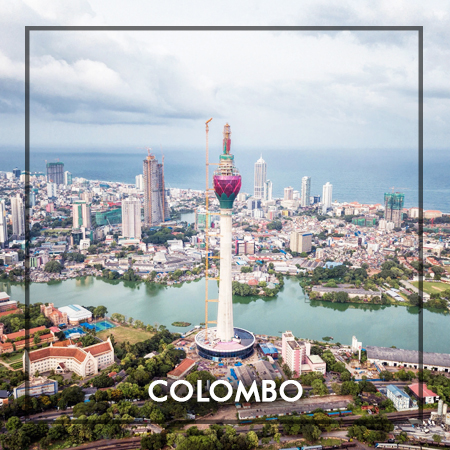
The largest city and commercial capital of Sri Lanka is Colombo which is located in the western province adjacent to Sri Jayewardenepura Kotte (the capital city of Sri Lanka ) Colombo is a vibrant city with a mixture of modern life , colonial buildings and ruins.
Due to its very large harbor and its position along the East-West sea trade routes Colombo was very popular among ancient traders 2000 years ago.
Colombo houses a majority of the Sri Lanka’s corporate offices, restaurants and entertainment venues. Famous land marks in Colombo include the National Museum, World Trade Center , Vihara Maha Devi Park and the Galle Face Green.
The name “Colombo”, first introduced by the Portuguese in 1505, is believed to be derived from the classical Sinhalese name Kolon thota, meaning “port on the river Kelani”. It has also been suggested that the name may be derived from the Sinhalese name Kola-amba-thota which means “Harbor with leafy mango trees”. However, it is also possible that the Portuguese named the city after Christopher Columbus.
Natural Harbor
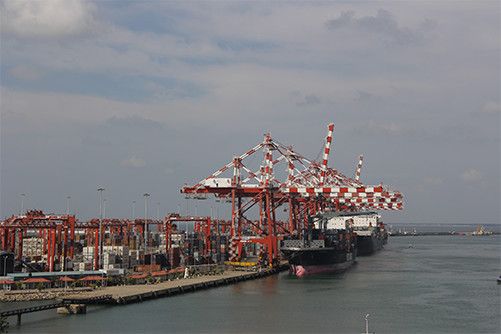
Due to the fact that Colombo had a natural harbor of its own the Romans, Arabs and Chinese traders were well aware of its significance. Colombo’s geography is a mix of land and water. The city has many canals and, in the heart of the city is located a lake known as the Beira Lake. The lake has a historical significance for which it was used to defend the city by colonists
Geography and Climate
Colombo’s climate is fairly temperate all throughout the year averaging around 31 degrees. Colombo is a multi-ethnic, multi-cultural city. The population of Colombo is a mix of numerous ethnic groups, mainly Sinhalese, Moors and Tamils. There are also small communities of people with Chinese, Portuguese, Dutch, Malay and Indian origins living in the city, as well as numerous European expatriates. Colombo is the most populous city in Sri Lanka.
The Official Vision and Mission in Colombo is as follows:
Vision
“Colombo being a model city in Asia, a caring organization looking after interests of citizens and users with an efficient quality service for creation of safe, healthy and wealthy life”.
Mission
“Organization achieving excellence in providing citizen centered services to the public / customer, optimizing the use of available resources through a competent, motivated and dedicated team”.
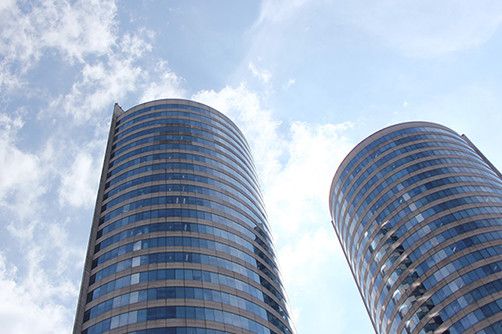
Even thought the Parliament was moved to Kotte the Move was somehow incomplete with the remaining of the Presidents House, Presidential Secretariat, Prime Minister’s House, The Supreme Court of Sri Lanka, Including the Military, Naval, Air Force and The Police headquarters. Colombo is the home to the 2nd largest building in South-east Asia.
Colombo always enchants tourist with its vibrancy and its own unique landmarks.
NEGOMBO
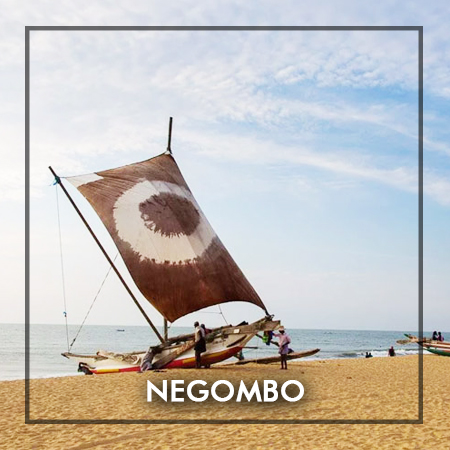
Negombo (Migamuwa) is a town of about 40 km north of Colombo. It has a small port and its economy is based on centuries old fishing industries and tourism. During the Dutch and Portuguese invasion it was used as a trading port.
Beach
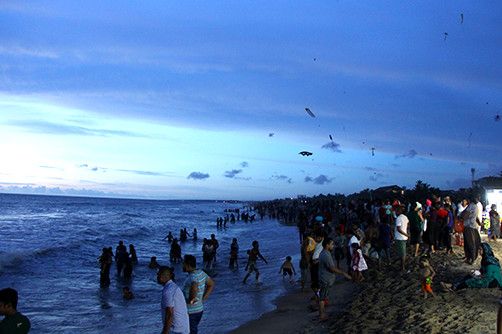
The beaches of Negombo are most of the time less crowded and unexplored which means that the beach is mostly to yourself. Recreational sports such as Diving and surfing are famous among tourists. The Muthurajawela Marsh off Negombo lagoon just south of the town is a unique wetland habitat and the largest marsh in Sri Lanka popular with eco enthusiasts.
Kite Surfing
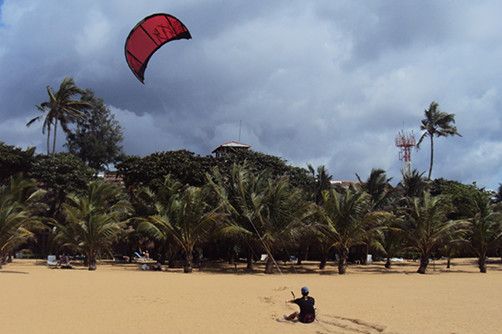
The latest exhilarating extreme sport in Sri Lanka, it is a fusion of Kite flying , Wind Surfing , Wave boarding and Surfing. It is a bit difficult to master however, well qualified trainers are available at your disposal so that within a week you will be able to kite-surf like a pro.
Churches
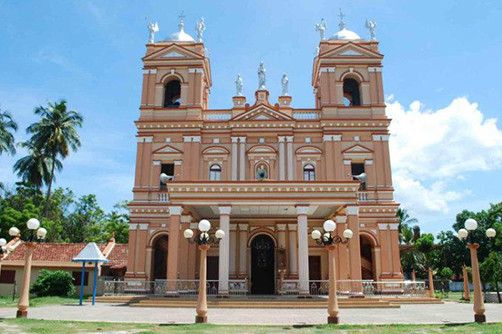
Negombo has a majority of Roman Catholics since the European Colonization. Negombo is also known as Little Rome due to Portugese Era Churches.
KALPITIYA
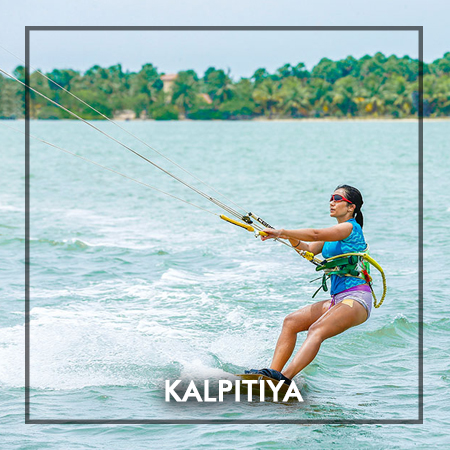
Kalpitya is located in the North Western Province, Puttalam, of Sri Lanka . The city consists of a total 14 islands, that are a crown for its stunning natural beauty.
Kalpitya is also famous for its oceanic beauty. It is definitely showing its true potential under great refinement and development, which is ultimately leading it to become a relentless tourist attraction.
Its history is rich and dating back many centuries. It was once under the rule of Portuguese. The city has suffered its share of tragedies over the decades but still stands erect and proud. Kalpitya is famous for it’s wide range of water sports.
people fond of such activities will love this city and enjoy it immensely. Most of the residents of Kalpitya are fishers. The sea food is so good that it melts in your mouth. Above all, the setting and landscapes give it a serene beauty not many can even imagine.
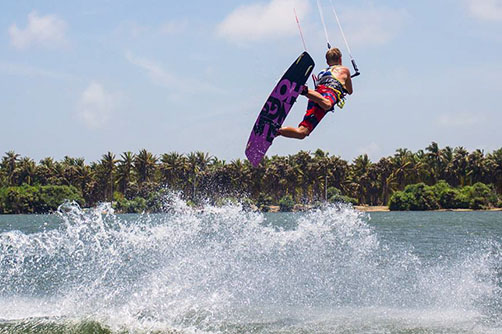
Water Sports – Kitesurfing and Surfing
Sport activities like Kitesurfing, Stand Up Paddling, Diving, Skate boarding and simple surfing are the norm around the islands. Tourists can experience the blue ocean, sandy beaches and arid plains from the skies before they get tired and enjoy the fine Sri Lankan cuisine at the customer pleasing resorts and restaurants. Their packages are highly reasonable.
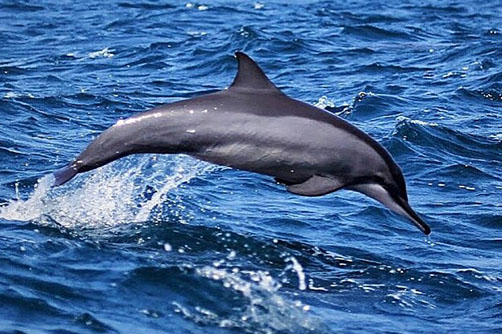
Dolphin and Whale Watching
The breathtaking view of these enigmatic creatures submerging and reemerging from the sparkling water, a real life experience of watching nature’s beauty strut about is a offer no one should refuse. Whale watching and Dolphin shows are one of Kalpitya’s many wonders and tourists love their fair-priced deals and packages.
DAMBULLA
Sri Lanka is rich and overflowing when it comes to colourful history, many came and went, the essence of the dominance still lingers about in the cities and buildings. From Portuguese to Dutch, Sri Lanka has suffered and bloomed through many events.
Damulla is a large town situated in the Matale district, pretty near to Colombo. It is also given the title of a World Heritage Site. The town’s most fascinated fact seems to be the time period of it’s construction, it was built in just 167 days. Bursting with beautiful sites like the ironwood forest, rose quartz mountain, Rangiri Stadium and Na Uyana Aranya, one can’t exactly pinpoint what this town is most known for.
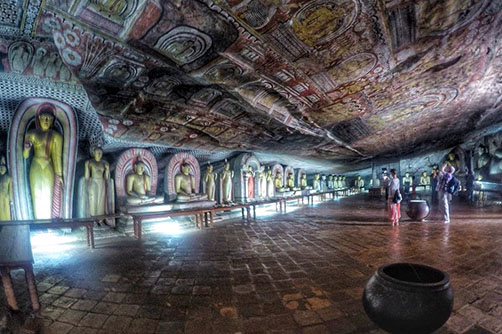
Dambulla Cave Temple
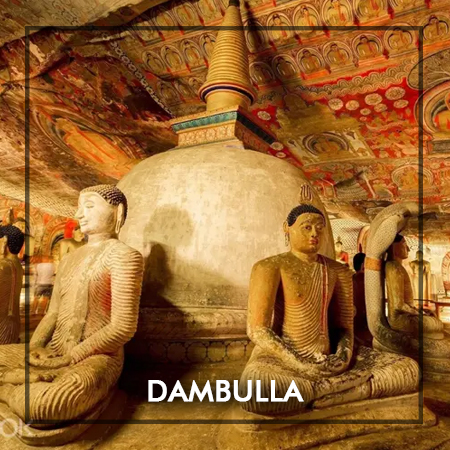
It’s glory is recognised and that is why it holds the title of a world heritage site, Dambulla Cave Temple lies in the central part of the country and is also known as the Golden Temple. People from faraway places come to see the cultural beauty with their own eyes.
Inside the caves around the golden temple there are paintings and statues strewn all over, all related to the life of Gautama Buddha, his life and the events that took place in it. Vishnu, Ganesha and Demon—Mara are historic gods and goddesses that also have some paintings and structures sculpted for them, situated in the caves.
It’s predicted that the site has 2700 human skeletons buried underneath it.
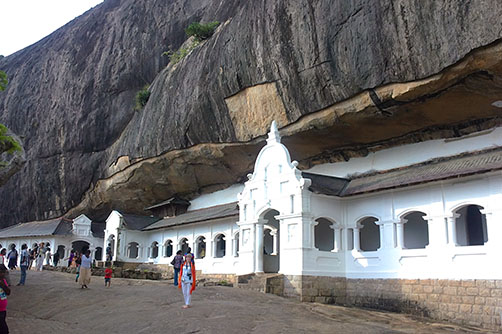
History of Dambulla
This historic temple dates way back to first century BCE. The structure can be explained as a overhanging rock looming over five enormous caves.
When it was made, it was considered as one of the largest and most essential monasteries. The hands of many Kings and rulers have interfered with the temple, but it still stands and screams the history embedded deep inside every crack of it’s walls.
The Lion Rock Sri Lanka – SIGIRIYA
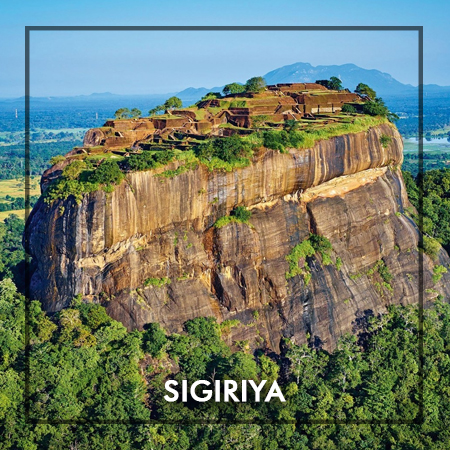
Sigiriya also known as The Lion Rock Sri Lanka is a rock fortress and a palace which is 169 KM From Colombo located in the Matale district of Sri Lanka. This ruin is surrounded by gardens, ponds and other structures. Sigiriya was built by King Kassapa and it is included as a World Heritage site. Sigiriya is the best preserved city centre in Asia.
Things to do in Sigiriya
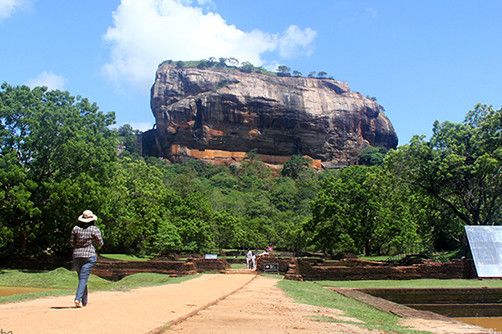
History of The Lion Rock Sri Lanka
Earlier The Lion Rock Sri Lanka was a rock-shelter mountain monastery which was donated by Buddhist devotees. Later King Kassapa renovated it by building gardens and palace. After his death it was again used as a monastery.
Human habilitation in Sigiriya at its earliest was found to be nearly five thousand years during the Mesothilic period.
Rock inscriptions are carved near the drip ledges on many of the shelters, recording the donation of the shelters to the Buddhist monastic order as residences. These have been made within the period between the third century B.C and the first century A.D.
In 1831 Major Jonathan Forbes of the 78th Highlanders of the British army while returning on horseback from a trip to Polonnaruwa came across the “bush covered summit of Sigiriya”. Sigiriya came to the attention of antiquarians and later archaeologists.
The Sigiriya complex itself consists of the central rock and two rectangular precincts which are surrounded by two moats and three ramparts. The city is based on a square module.
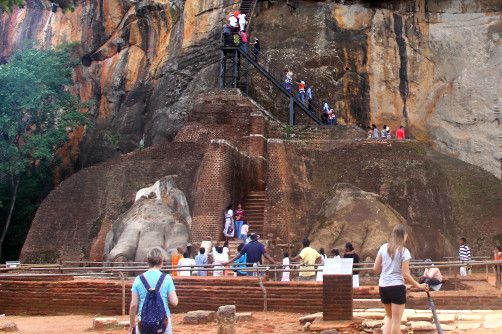
Structure of the The Lion Rock Sri Lanka
The Sigiriya Lion Rock Sri Lanka is actually a hardened magma plug from an extinct volcano. The most significant feature of the rock would be the Lion staircase leading to the palace garden. The Lion could be visualized as a huge figure towering against the granite cliff. The opened mouth of the Lion leads to the staircase built of bricks and timber. However the only remains of this majestic structure are the two paws and the masonry walls surrounding it. Nevertheless the cuts and groves in the rock face give an impression of a lion figure.
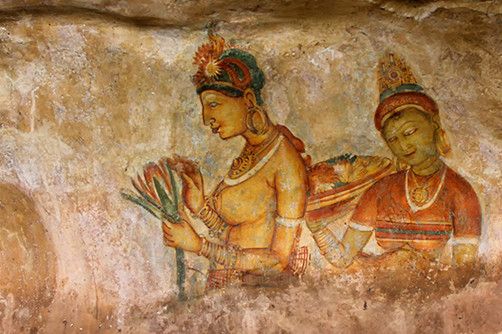
Frescos of The Lion Rock Sigiriya Sri Lanka
There are only two pockets of paintings covering most of the western face of the rock. The ladies depicted in the paintings have been identified as Apsaras. However a lot of these ladies have been wiped out when the palace was again converted into a monastery so as to not to disturb meditation.
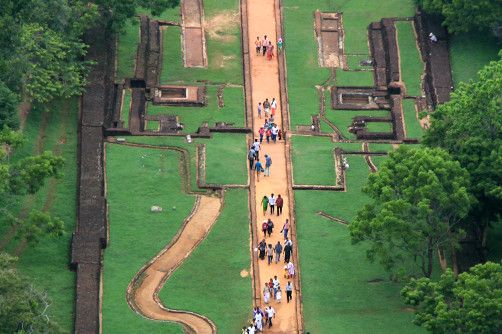
The Gardens of The Lion Rock Sri Lanka
The gardens are amongst the oldest landscaped gardens in the world. The gardens are divided into three distinct but linked forms; water gardens, Cave and boulder gardens, and terraced gardens.
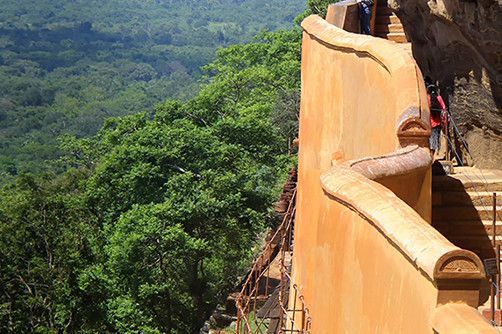
The Mirror Wall of The Lion Rock Sigiriya Sri Lanka
Originally The Lion Rock Sri Lanka Mirror wall was so well polished that the king could see himself whilst he walked alongside it. Made of a kind of porcelain, the wall is now partially covered with verses scribbled by visitors to the rock. Well preserved, the mirror wall has verses dating from the 8th century. People of all types wrote on the wall, on varying subjects such as love, irony, and experiences of all sorts. Further writing on the mirror wall has now been banned.
ANURADHAPURA
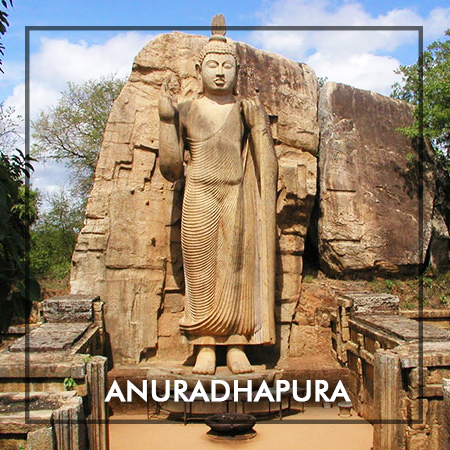
Anuradhapura is one of the ancient cities in Sri Lanka, well known for its ruins depicting early Sri Lankan civilization. It is very famous among Buddhists pilgrims. Anuradhapura was earlier the capital of the Island (in ancient times) and most of the Kings who ruled Sri Lanka resided in this vast city. The city is now named as a world heritage site by UNESCO.
History Anuradhapura
On the contrary to the historical data that indicates that the city is founded in the 5 century BC archeological data puts that date back to far as the 10 century BC. However it was King Pandukabhaya who planned the layout of the city and made it his capital in the 4th century BC. He constructed many reservoirs and shrines. The city reached its highest magnificence by the beginning of the Christian era. The city boasted some of the most complex irrigation systems in the ancient world.
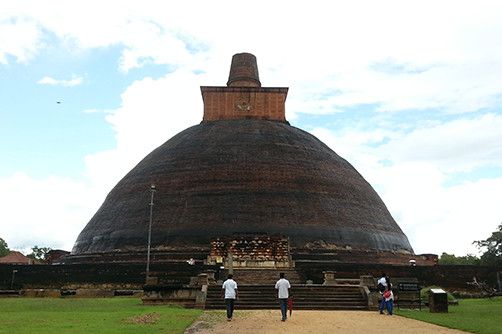
The ruins in Anuradhapura
Ruins are the only remains of what Anuradhapura used to be. Ruins generally have three classes of buildings:
1.Dagobas ( bell-shaped masses of masonry)
2.Monastic Buildings
3.Pokunas ( bathing tanks/ tanks that supply water for drinking)
Major Tourist Attractions at Anuradhapura
The Eight Great Places For Veneration.
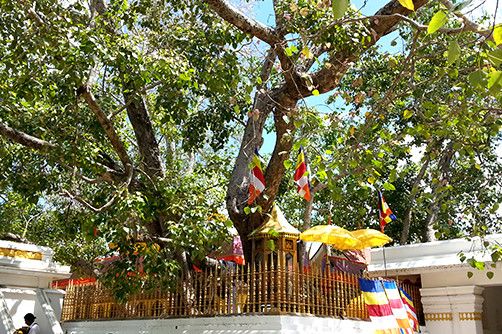
1. Sri Maha Bodhi – It is the sacred Bodhi Tree ( Fig Tree ) which is believed to be a direct descendant from the original Bo tree under which The Lord Buddha reached his enlightenment.
2. Ruwanwelisaya – It is the stupa built by King Dutugamunu. The stupa is considered as one of the world’s tallest monuments.
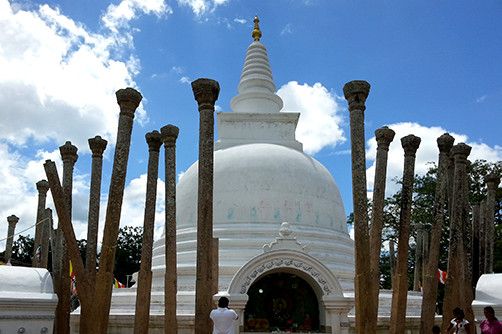
3. Thuparamaya – It is another dagaba in Anuradhapura. Following the introduction of Buddhism to Sri Lanka it was the first dagaba to be built in Sri Lanka which also enshrines the collarbone of the Buddha.
4. Lovamahapaya – Also known as the Brazen Palace or Lohaprasadaya. This building was also built by King Dutugamunu.
5. Jetavanaramaya – The Jetavanaramaya is yet another stupa which was initiated by King Mahasena. A part of a sash or belt which was used by the Buddha himself is believed to be enshrined here.
6. Abhayagiri Dagaba – This ruin is considered one of the most extensive ruins in the world and has a roof made of gilt bronze or tiles of burnt clay. The Abhayagiri Dagaba attracted scholars in the ancient times from all over the world.
7. Mirisaveti Stupa– Another masterpiece built by King Dutugamunu.
8. Lankarama – This stupa was built by King Valagamba.
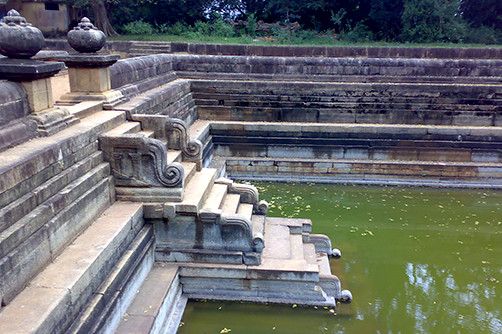
Other Famous Structures in Anuradhapura Sri Lanka
Isurumuniya
Vessagiri
Toluwila Statue
Magul Uyana
Kuttam Pokuna
Samadhi Statue
Rathna Prasadaya
Kiribath Vehera
Naka Viharaya
Sela Cetiya
Dakkhina Stupa
Queen’s Palace
Ritigala
POLONNARUWA
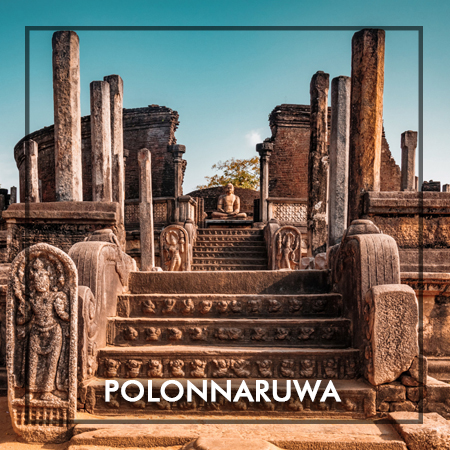
Polonnaruwa is the Island’s 2nd largest kingdom. Today the ancient city of Polonnaruwa remains one of the best planned Archeological relic sites in the country, standing testimony to the discipline and greatness of the Kingdom’s first rulers. Its beauty and serenity was captured in the Duran Duran music video Save a Prayer in 1982. The ancient city of Polonnaruwa has been declared a World Heritage site by UNESCO. The Lankathilaka temple and a colossal statue of the Buddha made from stone is located here.
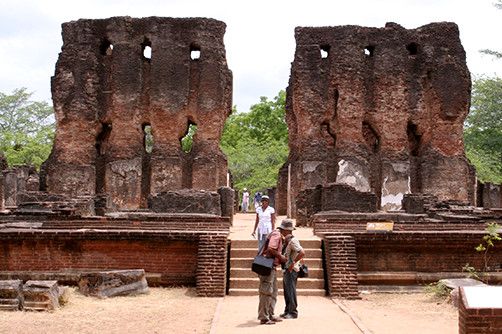
Ancient city of Polonnaruwa
Polonnaruwa is the 2nd largest city in north central province. But it is known as one of the cleaner and more beautiful cities in the country. The greeny environment houses amazing ancient constructions, Parakrama Samudraya (a huge lake built in 1200 A.C) and above all nice hospitable people. Scientific observation has been made about its climate changes it has been noted that the temperature of the later part in the year drops significantly low. Nevertheless leaving the country without even stepping on to the fertile land would be a huge waste, make sure that Polonnaruwa is a part in the itinerary.
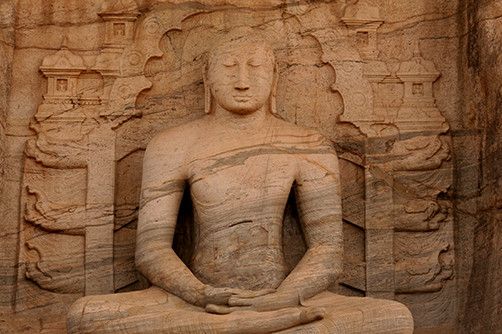
Religious Significance of Polonnaruwa
Buddhist pilgrimages are organised among people to visit ancient ruins of temples, stupas and even hindu temples. Rankot Vihara, the largest stupa in the city is about 180 ft high. Lankathilaka Gedige, buil during the rule of Parakramabahu, however the roof of it is missing but still is worth a visit to view the temple’s magnificence. Kiri Vihara another stupa redicovered during the 19th century, it was surrounded by the dense forest and thereby wasn’t known to man for long periods of time. Shiva Dewale, a hindu temple that was built during the 13th century, is also one of the famous attractions in Polonnaruwa.
TRINCOMALEE
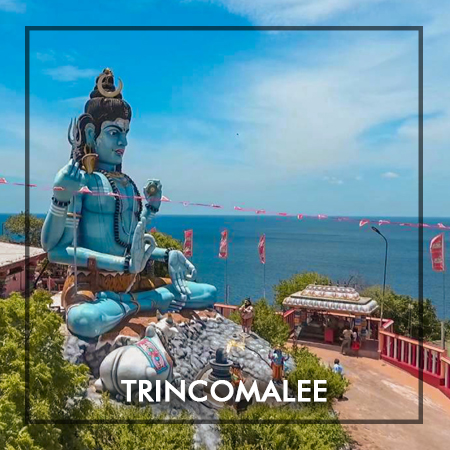
Trincomalee is a port city on the east coast of Sri Lanka. The city is located on a peninsula, which divides the inner and outer harbours.Trincomalee is an anglicized version of the Tamil word Tirukonamalai (which means “lord of the sacred hill”); it is a hill situated in the end of a natural land formation that resembles an arc. It is one of the main where Tamil is spoken at large scale. Historically referred to as Gokanna or Gokarna it has been a sea port that has played a major role in maritime and international trading history of Sri Lanka.
The Bay of Trincomalee provides security and is openly accessible to all types of sea crafts in all weathers. The beaches are used for recreational purposes such as surfing, scuba diving, fishing and whale watching. The city is renowned for housing the largest Dutch fort in Sri Lanka. It is home to major Sri Lankan naval bases and a Sri Lankan Air Force base.
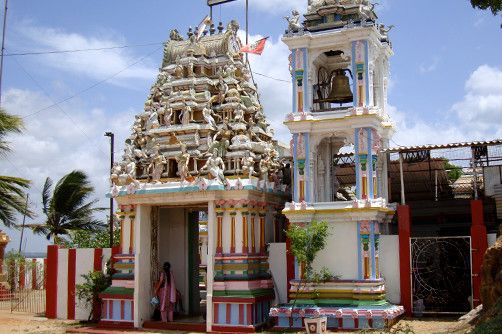
Religious Significance
Trincomalee is considered a very sacred place by the Tamil and Sinhalese. Trincomalee and its surroundings have both Hindu and Buddhist sites of historical importance. These sites are sacred to the Hindus and Buddhists.
It has been said that King Mahasena destroyed the Sivan Temple and on top of it built a Mahayana temple. Despite the historical rivalries between the two ethnic groups initiated by kings such as Mahasena the Theravada Buddhists have maintained a remarkably peaceful relationship with the Hindus.
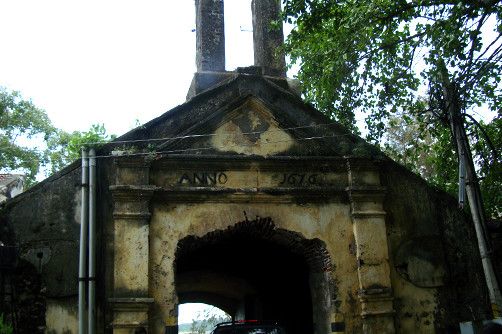
Trincomalee during the colonial era
Trincomalee strategic importance has shaped its recent history. The great European powers vied for mastery of the harbor. The Portuguese, the Dutch, the French, and the English, each held it in turn, and there have been many sea battles nearby.
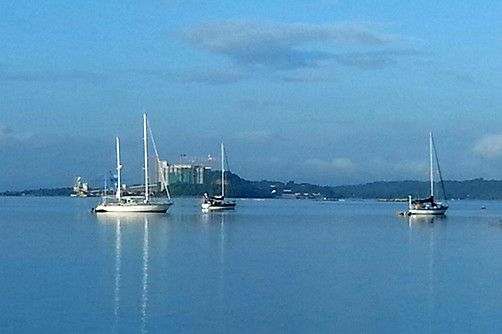
Harbour
The Trincomalee boasts a record as the fifth largest natural harbor in the world In the map Trincomalee isn’t quite populated a lot and is less developed. However it is used as a commercial seaport.
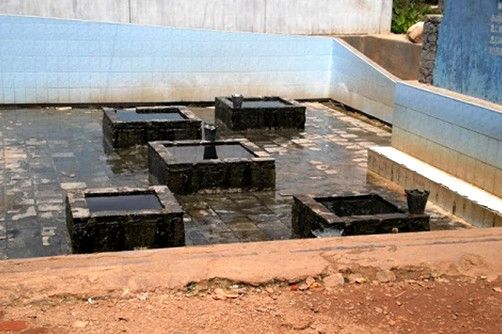
Rare hot spring wells ; a major tourist attraction
The hot springs in Trincomalee is always a major tourist attraction. There are the seven hot springs of Kanniya on the way to Trincomalee. The seven springs are enclosed by a high wall, each of which is again enclosed and bound by smaller walls to make up wells. The use of the springs for bathing however is under strict control.
JAFFNA
Also known as Yaalpanam among Tamils. Located on the northern-most part of Sri Lanka. One of the oldest places of inhabition in South-east Asia. Mostly populated by Tamils along with a handful of Sri Lankan Muslims. However it is one of the most populated cities of Sri Lanka. Sri Lankan Tamil is the main language spoken in Jaffna along with a little bit of sinhala , however english is widely understood and spoken.
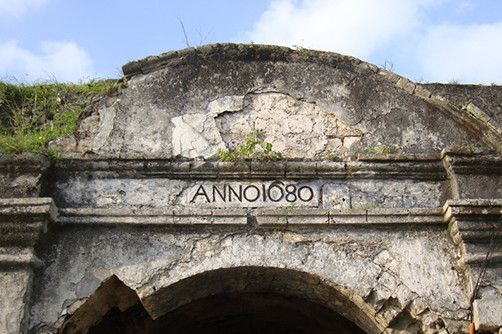
Jaffna Fort
Built during the late 1600s by the Dutch. Close to the fort is a British-period house, in which Virginia Woolf’s husband Leonard Woolf lived for sometime it was mentioned in his memoir ‘Growing’.
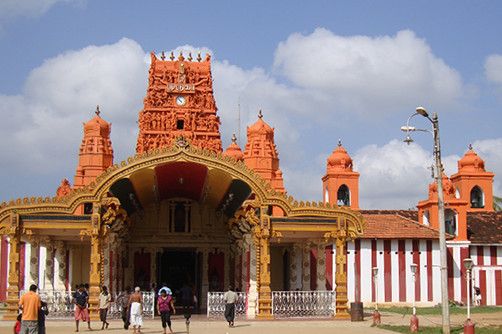
Temples
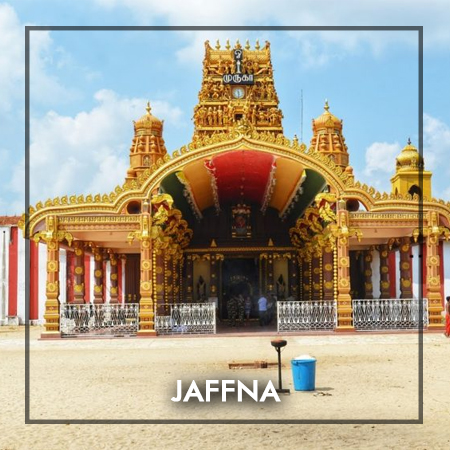
Hindu Kiovels or temples are one of the major attractions in Jaffna, the most famous kovil is the Nallur Kovil, which reflects the Dravidian architecture and style beautifully. The Kandaswamy Kovil is also mostly visited by tourists which is one of the oldest kovils in Sri Lanka. The kovil was built during the 10th century. However the original Kovil was demolished by the Portugese during the colonial era.
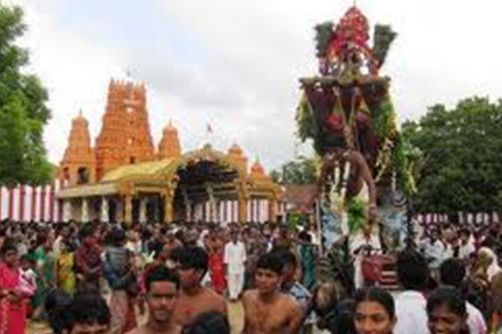
Festivals
Jaffna is a very cultural place due to the fact that Tamils belong to the Darvidian culture. Colourful festivals are a huge part of the culture Deepawali, Navarathri and Shivarathri are the few among the many festivals.
KANDY
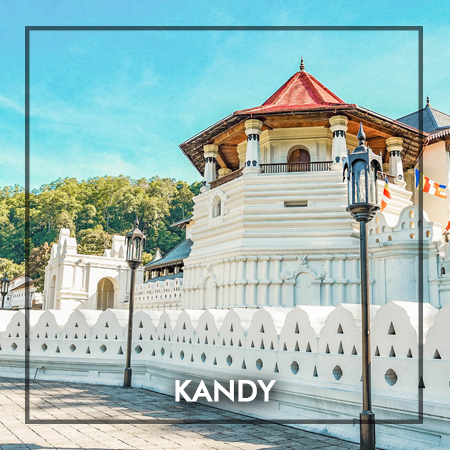
Kandy is one of the most scenic cities in Sri Lanka and lies in the midst of hills. It is the Capital of the Central Province. It is both an administrative ad religious city. Kandy is the second largest city in the country and is frequently visited by Buddhists especially of the Theravada School.
Kandy is very famous among tourist for three main reasons: It is home to the sacred tooth relic of the Buddha (Temple of the Sacred Tooth Relic ; Dalada Maligawa ), The Botanical Gardens ( Located in Peradeniya) and it always has a special place when it comes to festivities such as the Esala Perahara.
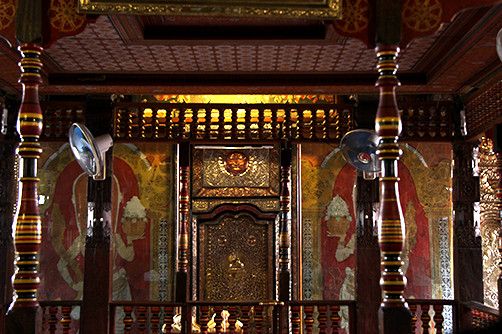
Tooth Relic
The Temple of the Tooth relic is the place that houses the Relic of the tooth of the Buddha. Originally part of the Royal Palace complex of the Kandyan Kingdom, it is one of the holiest places of worship and pilgrimage for Buddhist around the world. The Palace of the Tooth relic, the palace complex and the holy city of Kandy are associated with the history of the dissemination of Buddhism. The temple is the product of the last peregrination of the relic of the tooth of Buddha and the testimony of a religion which continues to be practiced today.
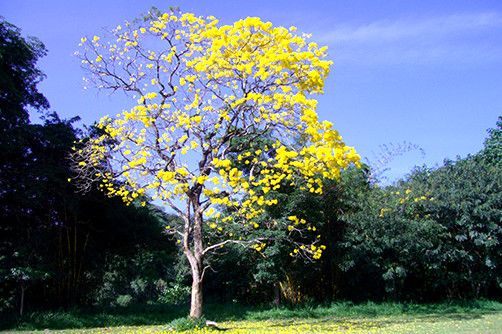
Parks and Gardens
The Royal Botanical Garden is the largest botanical garden in the whole island providing residence to over a large variety of plants, some even hundreds of years old.
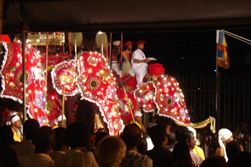
Festivals (annual pageant)
Kandy as stated earlier is also very popular due to the annual pageant known as the Esala Perahera, in which one of the inner caskets used for covering the tooth relic of Buddha is taken in a grand procession through the streets of the city. This casket is taken on a royal tusker. The procession includes traditional dancers and drummers, flag bearers of the provinces of the old Kandyan kingdom, the Nilames wearing their traditional dresses, torch bearers and also the grandly attired elephant. This ceremony which is annually held in the months of July or August attracts large crowds from all parts of the country and also many foreign tourists.
Kandy is must for anyone’s itinerary when visiting Sri Lanka. It is considered one of the most beautiful places in Sri Lanka which at the same time show cases the Sri Lankan Culture at its highest level.
NUWARA ELIYA
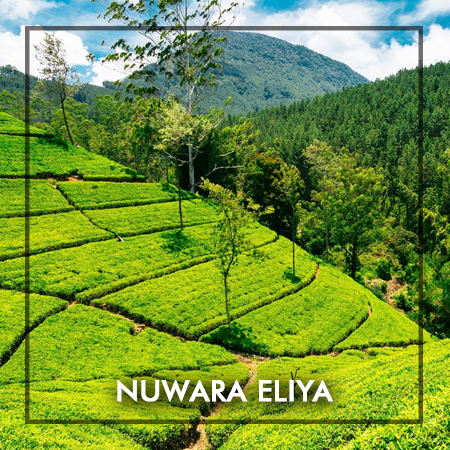
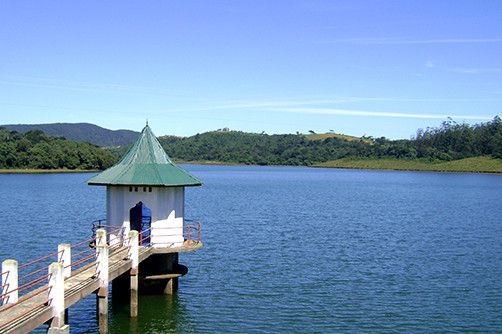
Nuwara Eliya meaning “city on the plain or “city of light” is a town in the central highlands of Sri Lanka. It is one of the major tea producing areas in the world. The tallest mountain in Sri Lanka “Pidurutalagala” oversees this beautiful city. It is the most visited hill country.
History
Nuwara Eliya is said to have been founded by a couple of British officers who apparently got lost while elephant hunting. The British governor Sir Edward Barnes was notified about the town and he himself decided to reside at Nuwara Eliya and subsequently creating a health resort that was internationally renowned. The town was later the ultimate destination for English pastimes such as golf, fox hunting, polo, etc. Nuwara Eliya also has an archeological importance as well in which pre-historic human remains are found. The city is has a good reflection of the colonial period even new hotels are furnished according to the colonial era.
Modern Day Nuwara Eliya
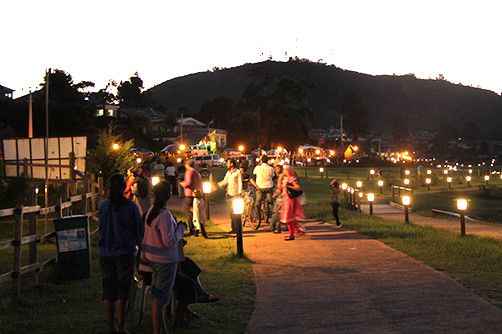
Nuwara Eliya is now a modern, busy city with department stores, fast food chains. Nevertheless the further away you are away from the busy town the more you will be revisiting the past. Tourists will find a variety of recreational activities to do in this beautiful city, Nuwara Eliya is known to have the best 18-hole golf course in Asia and that’s not all horse-riding, boating, bird-watching and hiking are few of the many fun things you can do.
Tea Production
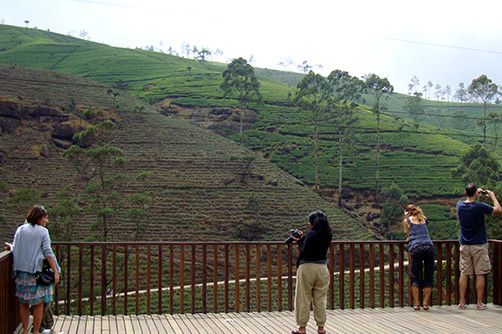
Sri Lanka is produces a significant share of the world’s best tea and in the mean time is also one of the world’s largest exporters of tea. Since the introduction of tea to Sri Lanka in mid 19the century Nuwara Eliya has been the capital of the tea industry.
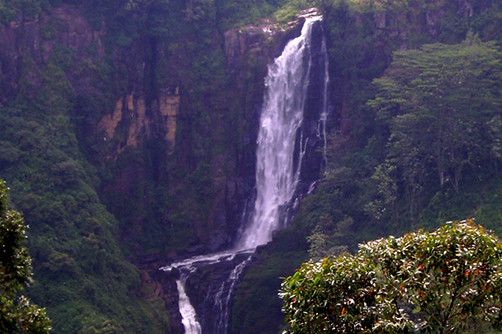
Waterfalls
Little England” is also home to some beautiful waterfalls such as Ramboda Falls, Devon Falls, and Laksapana Falls. Trekking and hiking expeditions usually evolve around these land marks.
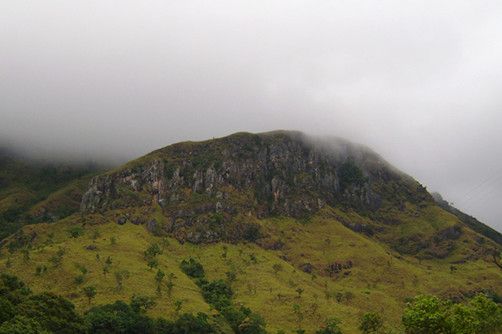
Climate
Natives usually tend to visit the hill country during the summer time, just to escape the excess humidity that accompanies with the heat since Nuwara Eliya has a average temperature of 16 degrees and sometimes can decrease to extreme conditions such as 3 degrees due to the high altitudes.
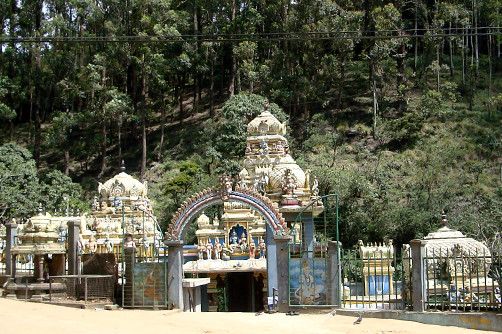
Seetha Eliya
Seetha Eliya is a village in which the Seetha Kovil is located (Hanuman Kovil) and is found on the way to Badulla. The Temple is said to be built where the king Ravana hid princess Seetha from Rama.
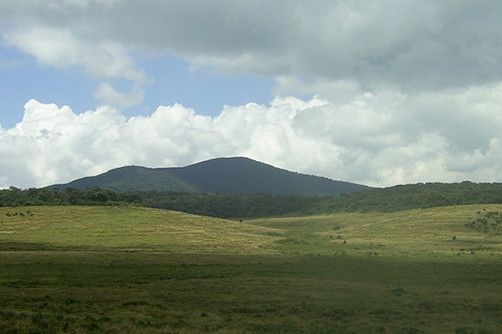
Horton Plains
Horton Plains is yet another national park in Sri Lanka located at the highest plateau in the island. The park is very famous among nature lovers. However within Horton Plains are the World’s End exhibiting an abrupt drop of 1000m offering a breath-taking view of land including tea estates.
ELLA
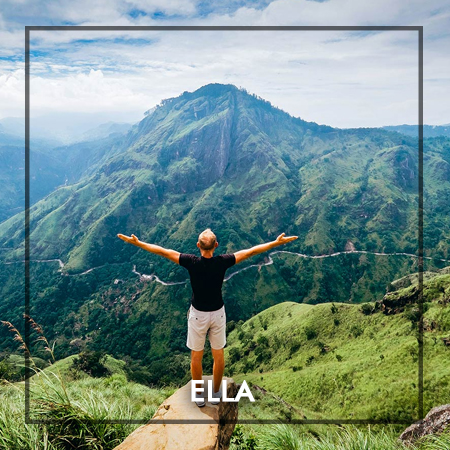
Ella, often described as ‘’lonely planet’’ and ‘’waterfall’’ is a congested town located in Sri Lanka. Ella is pure natural beauty, with its waterfalls, greenery, and hills it is just jaw-dropping. It has views that one hasn’t witnessed before, scenes one hasn’t seen before and nature one hasn’t felt before. Ella is the perfect place to go to if one wants to refresh the brain. It has many famous places and has been under the attention of tourist for a decent amount of time now.
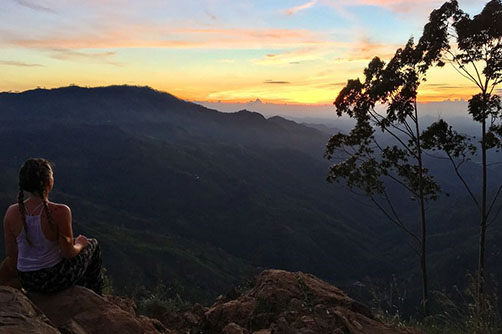
Ella Rock
One of Ella’s wonders is the Ella Rock. Ella rock might be a long way up but it’s worth all the struggle. Every day, tons and tons of people go and climb the Ella Rock. This is because of the special view it provides to its climber. The view from the top of the Ella Rock is difficult to put in such simple words.
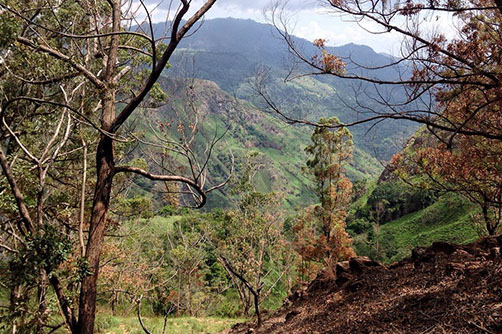
Nature
Ella is filled with nature; everywhere one sees he gets to know why people want to visit Ella so much. The greenery, flowers, gardens all of them shape the beauty of Ella, a shape that is difficult to resist. The environment is fresh and clean.
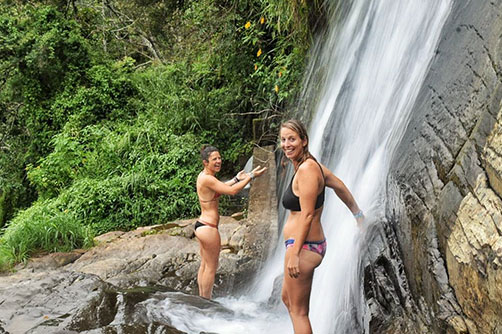
Waterfalls
Another wonder of Ella is its waterfalls. Ravana falls is a very popular waterfall. The refreshing and clean water that slide down on earth. It is one of the most popular sites in Sri Lanka. However, this panorama is just so attractive.
People from all around the world come to visit this place because of its natural beauty and its beautiful outlook.
MIRISSA
Mirissa is a small heaven located in the South Coast of Sri Lanka, only about 200km away from the Equator. The small town is ever-famous for it’s natural beaches which are mostly untouched by any man-made modernization, which makes it well-loved and very sought after when it comes to holidays and vacations, even—honeymoons.
Mirissa’s sandy beaches gives life to your fantasies of a tropical heaven, the secluded crescent shaped beach is like a reclusive hidden Island that is a hideaway for many. The town’s sunsets and sunrises are said to be one of the finest ever, the peace that surrounds people spending time in the hotels set aback from the actual beach is quiet unmeasured. The gentle waves of the ocean crashing and building into a crescendo, coconuts falling and birds chirping. Mirissa is a tourist heaven and must not be missed!
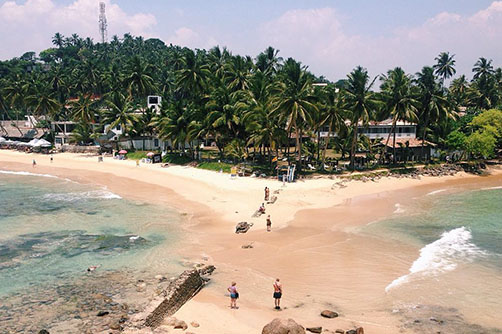
Mirissa Beach
The sandy beach with it’s golden sand and undeniably warming atmosphere with chilled breezes, the perfect combination of hot and cold is a travel location that’s the envy of many countries.
The beach offers the peace you can’t find elsewhere, the hotels provide the customers with everything that they require; even with many people occupying the beach, the noise and rush is minimum.
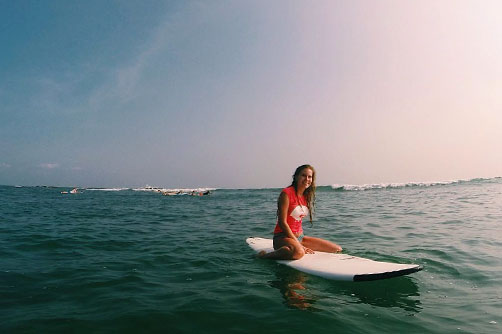
Surfing at Mirissa
Mirissa’s Bay Surf point is famous for smooth surfing; you can surf with no inhibitions and enjoy a carefree ride through the ocean, experiencing it on a level that would be unforgettable for the many years to come.
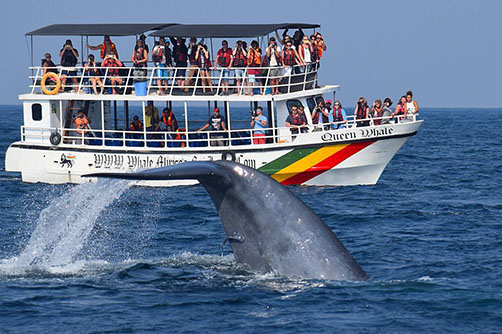
Dolphin and Whale Watching
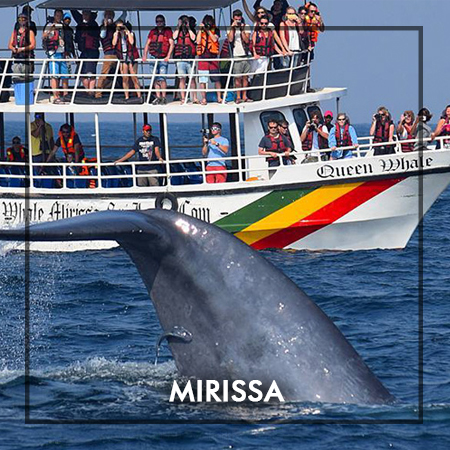
Sri Lanka’s Navy Passenger Craft called ‘Princess of Lanka’ was launched in 2011 and since then has been a vessel for people who want to enjoy a profound activity such as Whale Watching.
A person has a firsthand experiences watching the humongous creatures wriggle about and float underwater, the scene is truly enrapturing. The dolphins are extremely friendly as well, giving people a show of a lifetime. Their packages are reasonable and would suit a average person nicely. The Whale Watching activity is famous among avid tourists.
GALLE
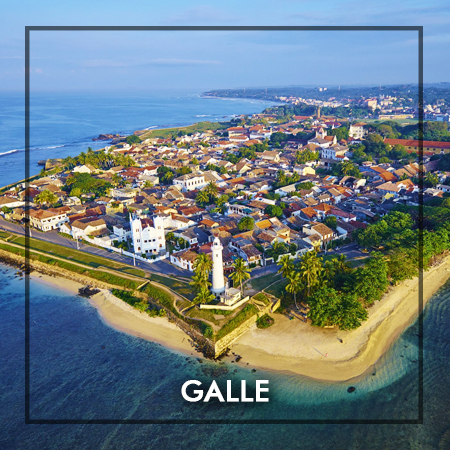
Galle is situated in the southwestern tip of Sri Lanka; it is one of the country’s integral cities. Galle has a colorful history and beauty that renders many speechless.
The city is filled with Dutch-colonial buildings people come from faraway places to see. The air is filled with the sweet smell of spices and the salty winds give it a authentic recognition. Galle is filled with art that’s rare, the streets are filled with people who are ambitious and hardworking, showcasing their efforts in one the best displays that please the eye immensely.
The classic architecture fuses with the tropical setting that’s the envy of many man-made resorts and architects.
Galle is said to be a heavenly piece of art, tropical heaven and rich in history.
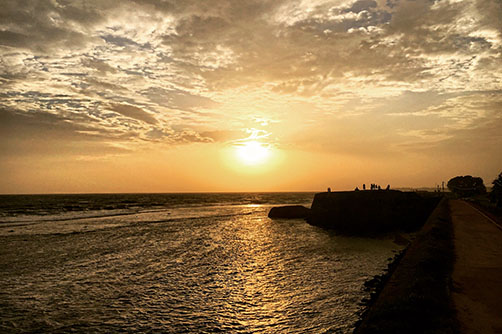
Galle Fort
The fort built by the Portuguese in 1588 holds most of the attention as you can explore the city of Galle through it’s walls. The Fort has a multi-religious ethnic population and embedded deep inside it’s walls is a rich history people are besotted with. This glorious building suffered through the Boxing Day Tsunami and was later restored to it’s magnificent beauty. It has been given the title of Unesco World Heritage Site because of it’s endless glory. It’s a beautiful travelling location which gives you a experience that’s hard to forget.
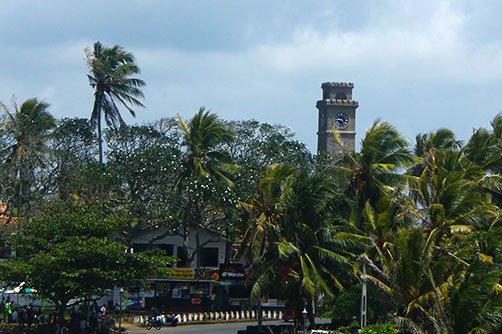
History
Galle’s history is a wonder in it’s own. Under the dominance of Portuguese and Dutch for a long period of time, it suffered through a thousand changes. It was referred to as Gimhathiththa in the 16th century before the Portuguese took over. But Galle showed it’s true potential in the Dutch-colonial period, the buildings they constructed are sight seeings wonders people wish to see to this day.
It suffered through a massive tsunami but the city has been restored to it’s original beauty and stands to be one of the best tropical areas on the planet, a tourist’s heaven*
BENTOTA
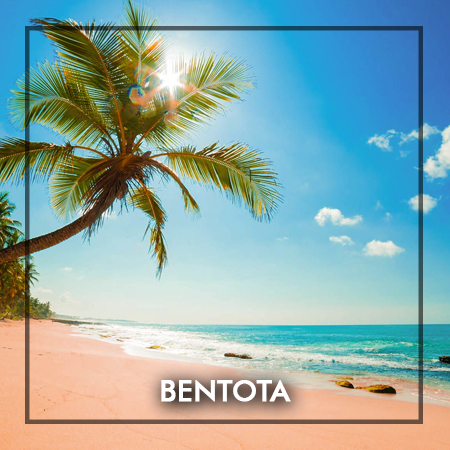
Bentota is a small town situated on coastal areas in Sri Lanka. Positioned 65 kilometers south of Colombo the capital, in the Bentota region of the Southern Province
It is quite famous for its breath taking view, and especially the Bentota Beach.
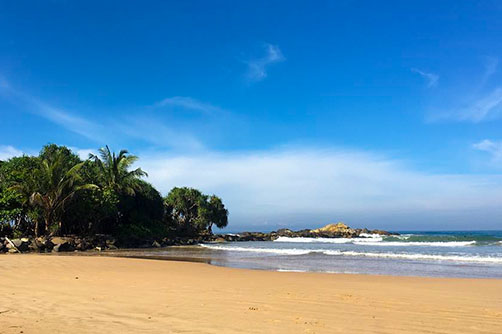
Bentota Beach
If you are looking to spend your holidays and give yourself a calm and natural treat, with no bars and restaurants, this is the most refreshing and relaxing site.
The Bentota Beach which extends across 7-8 kilometers is truly a symbol of peace, calmness and cleanness.
One of its strongest points is its quiet surroundings which, according to many people, run the natural and relaxing environment of the beach. There is plenty of space of everyone to settle in perfectly and enjoy the sun bath to the fullest.
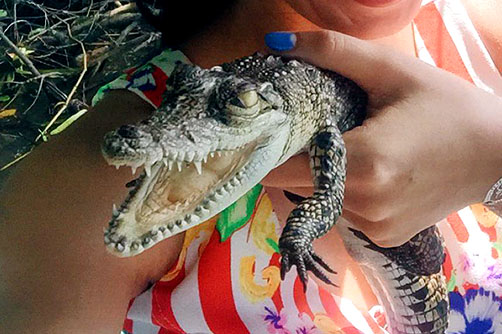
Bentota River
While enjoying the eye catching view of the Bentota beach another thing that caught the attention of many tourists is the stunning Bentota River. it is highly recommended by people who have taken the 2-3 hour ride on boat of the river. People have witnessed different kinds of animals, birds, reptiles such as crocodile, iguana etc in their natural habitats, which makes it an animal’s lover dream as well.
The River is also pretty popular for water activities like surfing and boating.
Based on the views generated by the people who have visited this beach, if you want to enjoy a perfectly warm and quiet holidays then it are an ideal place for you.
HIKKADUWA
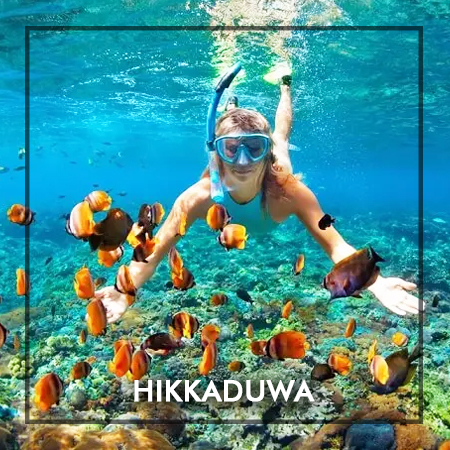
Hikkaduwa is the name of a small town which is located on the south coast of Sri lank around 98 KM on the south of Colombo. It is well known for the Hikkaduwa beach which is labeled as one of the best surfing site in Sri Lanka and for Hikkaduwa Coral Sanctuary which is located a few meters away from the shore.
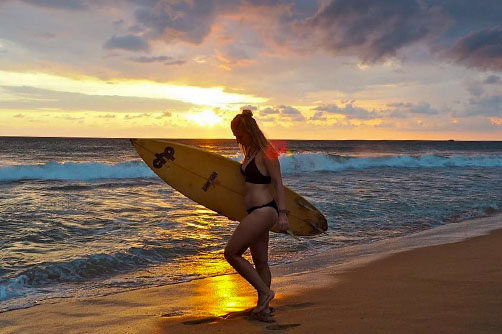
Hikkaduwa Beach and Surfing
Hikkaduwa Beach and Surfing Hikkaduwa beach is one of the most popular tourist places in Sri lanka Known for the harmonized and calm environment. The Beach is considered to be one of the finest places in the country for surfing and it is also well known for seafood currie which gives an extraordinary touch while having the perfect day on the beach. You can enjoy Surfing to the fullest in the months of November to March when waves rise up. Many tourists have recommended surfing in these months.
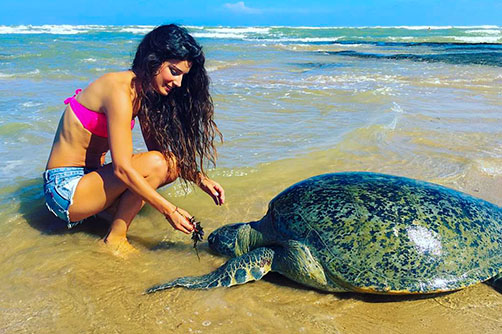
Hikkaduwa Coral Sanctuary and Snorkeling
While enjoying the beach and the sea, it is necessary to have a look inside the sea to investigate and examine the aquatic life. Whoever has visited the Beach has highly recommended snorkeling. It is very much suitable if one wants to watch all the beautiful fishes and marine life closely. People get a chance to look at a lot of different types of small and big fishes and turtles etc. very closely. So, whenever you get the chance to visit Sri Lanka and especially Hikkaduwa beach, don’t forget to experience surfing as well as snorkeling, it will be an experience of a life time.
YALA
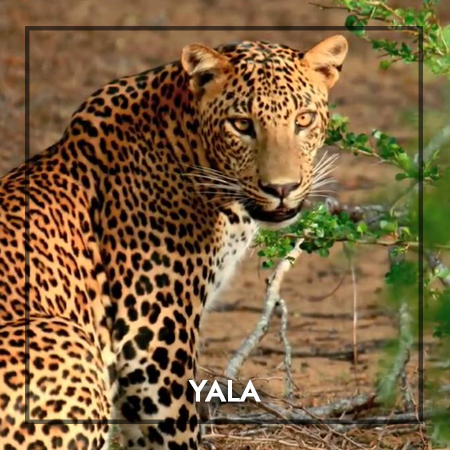
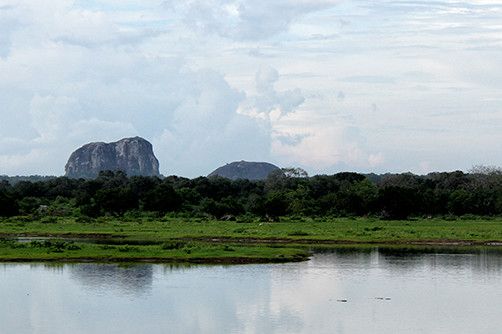
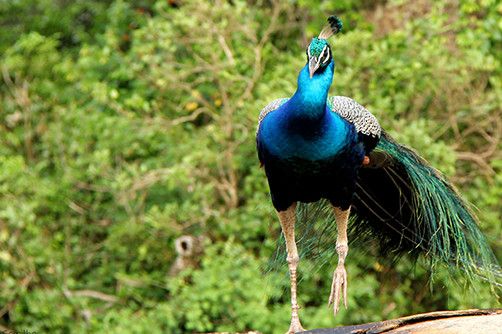
Yala National Park is situated in the south-east region of Sri Lanka and is the 2nd largest National Park in the island, situated some 300 km away from Colombo. It was at first established in the early 1890s as a game sanctuary . The park is located in the dry-zone region where the drought season is very long .The day time average temperature is over 30 degrees which is not uncommon in the region. The parkland makes up most of the reserve but also includes lakes, beaches, jungle, rivers and scrubland. This variety in habitats provides an excellent range in wildlife. The largest concentration of Leopards can be seen in this region though the chances of seeing this animal are very low, and the creature is said to be one of the most endangered species. About 32 species of mammals, 125 species of birds and many reptiles and lagoon fauna species have been recorded in the park. The Yala National Park is famous among visitors as the best place to view large mammals within one territory.
History
The Yala National Reserve was a part of the Ruhuna Kingdom. The Situl Pahuwa temple housed more than 12000 inhabitants. The Magul Mahavihara, which is also another temple within the park was the place where King Kawantissa and Vihara Maha Devi were married.
Cultural Significance
Yala was where Ravana established his kingdom. The many mane-made tanks show that yala was used as an agricultural center with an intensive irigation system. The temple Situlpahuwa is within Yala and was built during the 87 BC and the Akasa Stupa in 2 BC. During the colonial era Yala was used as a place to hunt down game. Even today more than 400,000 pilgrims visit the stupas within the confinements of thepark.